
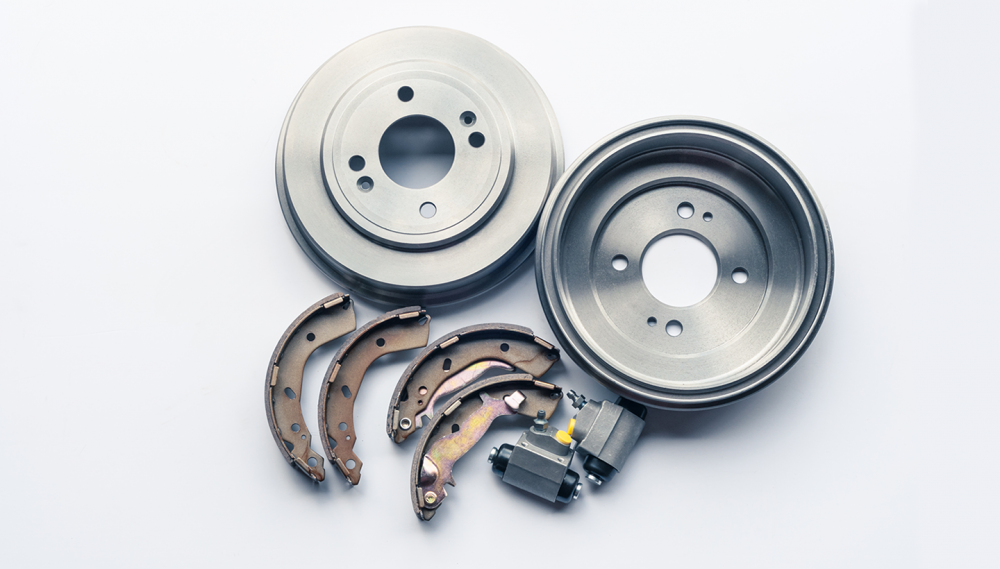
Disc Brakes vs Drum Brakes: Which Is Better?
Author: Marcel Angelo Navarro
Your vehicle’s braking system is one of its most critical safety components, and understanding how it works is essential. When you hit the brakes, the system converts kinetic energy into heat to slow down or stop your car. But not all braking systems are created equal. Two of the most common types are disc brakes vs drum brakes, each with its own advantages, disadvantages, and best-use scenarios. In this guide, we’ll compare disc brakes vs drum brakes in terms of performance, maintenance, and suitability, helping you choose the best option for your driving needs.
Understanding Disc Brakes
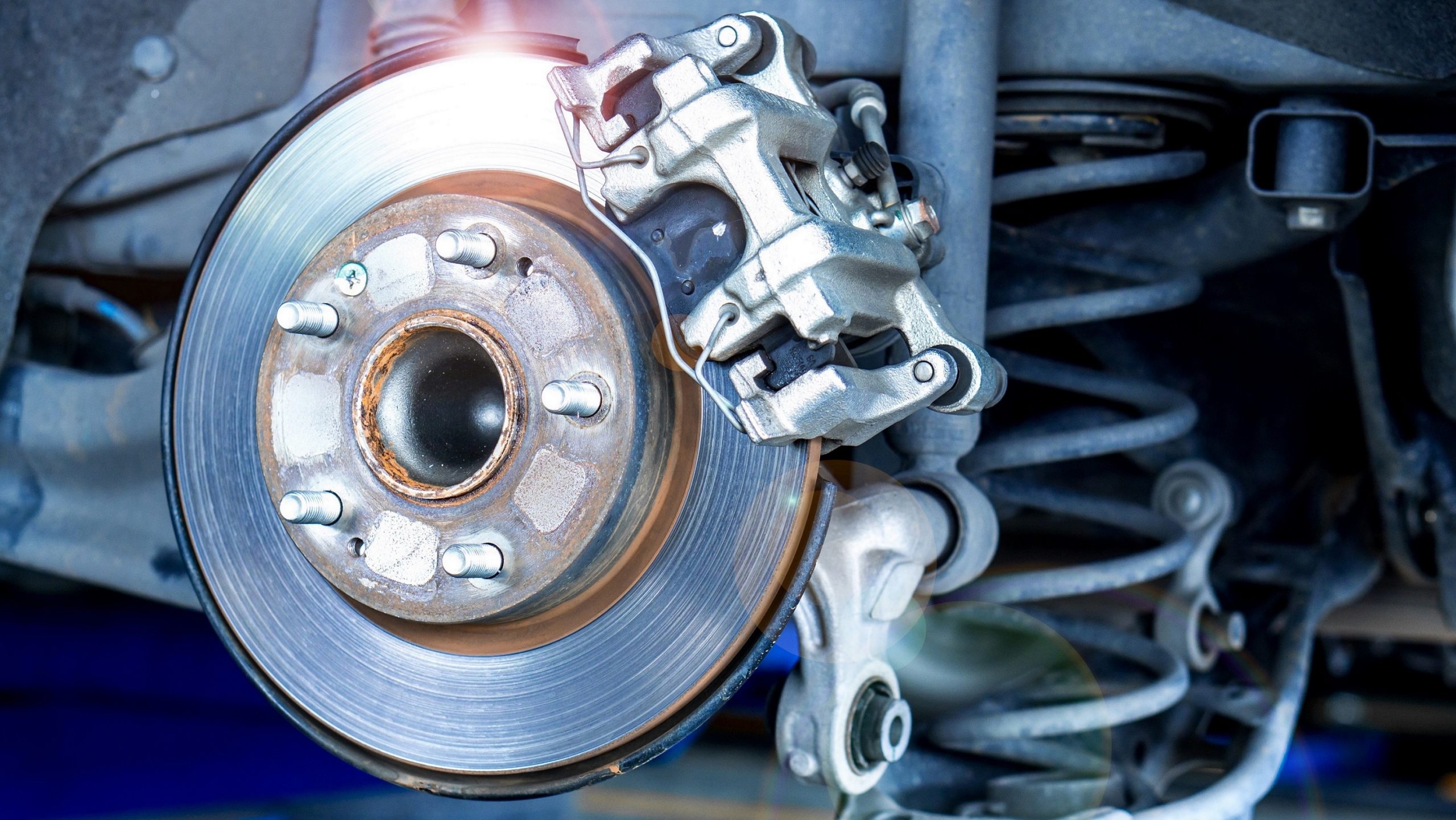
Disc brakes use a rotor or disc that rotates with the wheel. When you apply the brakes, calipers squeeze brake pads against the rotor, generating friction and slowing the vehicle. This design provides excellent stopping power and efficient heat dissipation. One of the key advantages of disc brakes is their ability to dissipate heat effectively. Since the rotor is exposed to air, heat generated from braking dissipates quickly, reducing brake fade during prolonged use. Additionally, disc brakes provide stronger stopping power, making them more effective at high speeds or during emergency stops. They also perform better in wet conditions compared to drum brakes, as they do not trap moisture, which can reduce effectiveness. Furthermore, disc brakes generally require less maintenance and are easier to inspect and replace compared to drum brakes.
Understanding Drum Brakes
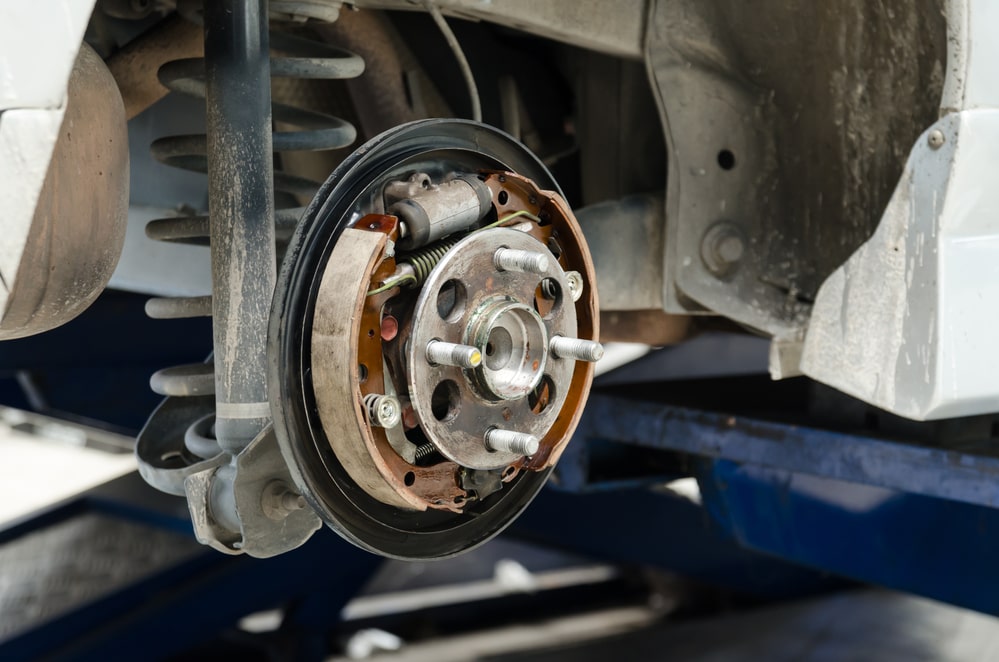
Drum brakes consist of a rotating drum with brake shoes that press outward to create friction and slow the vehicle. They are a cost-effective option, offering durability and a longer lifespan due to their larger braking surface. Their enclosed design makes them highly effective for parking brakes, ensuring reliable vehicle stability. However, drum brakes retain heat, which can lead to brake fade after extended use, and their performance can decline in wet conditions as moisture gets trapped inside. Additionally, maintenance and inspections are more challenging compared to disc brakes, making servicing more time-consuming.
Which One Offers Better Stopping Power?

Disc Brakes vs Drum Brakes? When it comes to raw stopping power, disc brakes outperform drum brakes in nearly all scenarios. They offer better heat dissipation, improved response time, and more consistent performance. This is why modern vehicles, especially high-performance cars and motorcycles, use disc brakes on all four wheels. Disc brakes rely on brake pads to create friction, which provides superior stopping power and durability. However, drum brakes still serve a purpose. They are cost-effective and efficient for rear-wheel braking, especially in economy cars and commercial vehicles where cost and longevity matter more than extreme braking performance.
So, Disc Brakes vs Drum Brakes: Which Is Better? Both disc brakes vs drum brakes have their place in automotive design. While disc brakes provide superior stopping power, heat dissipation, and reliability, drum brakes offer affordability and longevity. Many vehicles today use a combination of both, with disc brakes in the front and drum brakes in the rear, to balance cost and performance. If you are looking for high-quality brake components or considering an upgrade, visit ULTRA MRF Tires & Mags for expert advice and premium automotive parts.
REFERENCES
Brax, J. (2022). Automotive Brake Systems: A Comprehensive Guide. New York, NY: AutoTech Publishing.
Kumar, P. & Patel, S. (2021). Vehicle Engineering and Brake Systems. London, UK: Springer.
Smith, L. (2020). Fundamentals of Automotive Braking Systems. Boston, MA: McGraw-Hill.
Thompson, R. (2019). The Science of Braking Performance. Los Angeles, CA: Technical Press.
Zhou, M. & Anderson, B. (2018). Brake Technology for Modern Vehicles. Oxford, UK: Elsevier.