

Why Wheel Balancing Matters
Author: Paul Justine Macapagal
Why Wheel Balancing Matters? When it comes to vehicle maintenance, wheel alignment often gets more attention than wheel balancing. However, both are equally crucial for ensuring a smooth and safe driving experience. While alignment focuses on adjusting the angles of your wheels, wheel balancing ensures that the weight of your tires and wheels is evenly distributed. Ignoring wheel balancing can lead to uneven tire wear, vibrations, and even damage to your suspension system. In this blog, we’ll explore why wheel balancing is just as important as alignment and how it benefits your vehicle.
What is Wheel Balancing?

Wheel balancing ensures your tires and wheels rotate smoothly by adjusting their weight. A technician uses a machine to find heavy spots and adds small weights to fix them. This reduces vibrations, prevents tire wear, and improves comfort. Unlike alignment, which adjusts wheel angles, balancing focuses on weight distribution.
The Importance of Wheel Balancing

Wheel balancing plays a critical role in maintaining your vehicle’s performance and safety. When your wheels are unbalanced, it can cause uneven tire wear, leading to premature replacements and increased costs. Unbalanced wheels also create vibrations, which can be felt in the steering wheel, seats, or floorboard, making for an uncomfortable driving experience. Over time, these vibrations can damage your suspension system, resulting in costly repairs. Additionally, unbalanced wheels can affect your car’s handling, especially at higher speeds, compromising your safety on the road.
How Wheel Balancing Complements Alignment
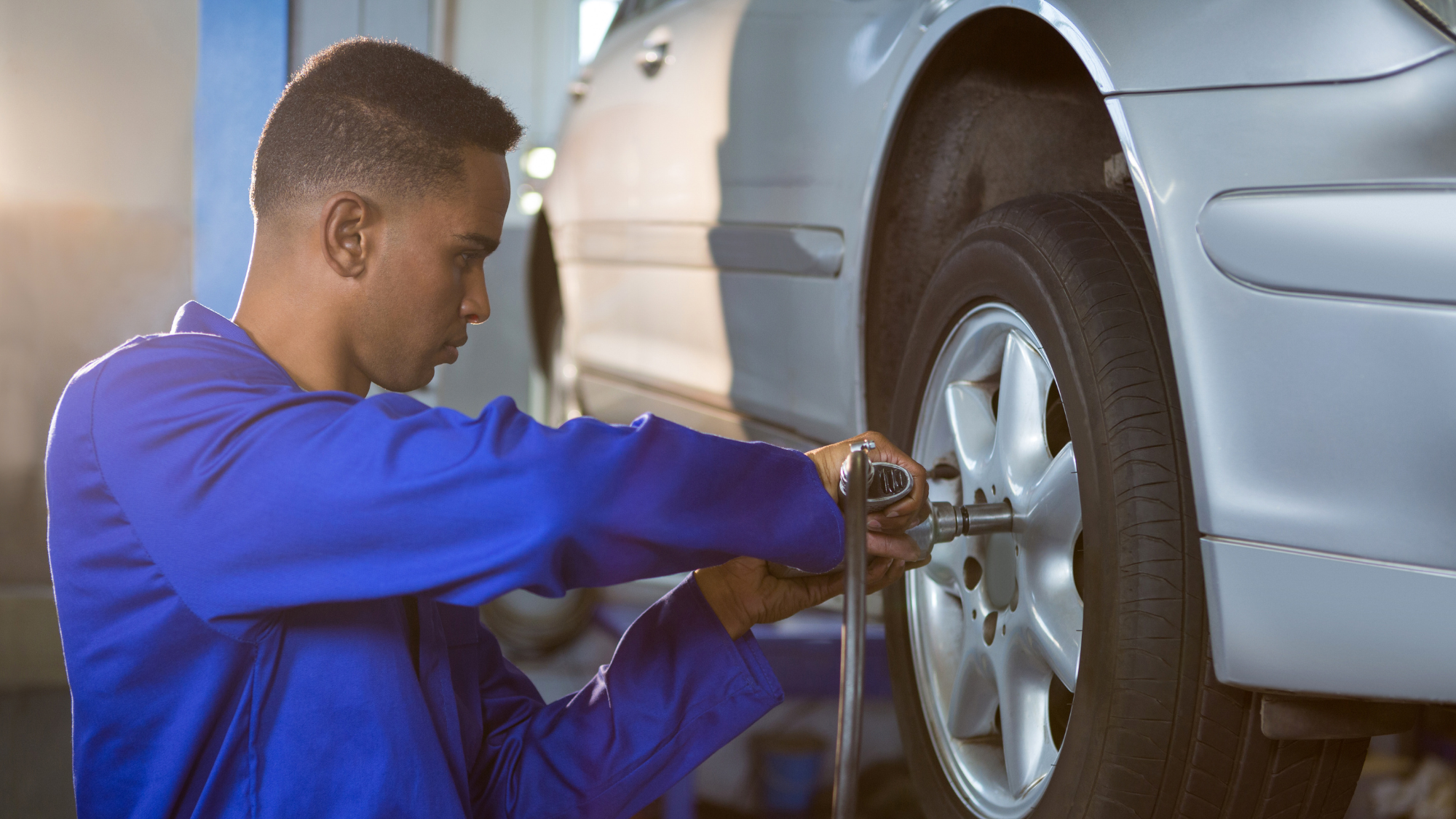
While wheel alignment ensures your tires are pointing in the correct direction, wheel balancing ensures they rotate smoothly without vibrations. Both services work together to optimize your vehicle’s performance and extend the life of your tires. For example, even if your wheels are perfectly aligned, unbalanced tires can still cause uneven wear and vibrations. Similarly, balanced wheels won’t perform well if the alignment is off. Regular balancing and alignment checks are essential for maintaining a smooth, safe, and efficient ride.
Signs Your Wheels Need Balancing

If you notice vibrations in your steering wheel, seats, or floorboard, especially at higher speeds, it’s a clear sign that your wheels need balancing. Uneven tire wear or a wobbling sensation while driving can also indicate an imbalance. Addressing these issues promptly can prevent further damage to your tires and suspension system, saving you money in the long run.
Wheel alignment is just as important as balancing when it comes to maintaining your vehicle’s performance, safety, and longevity. By ensuring your wheels are properly aligned, you can enjoy a smoother ride, extend the life of your tires, and avoid costly repairs. Don’t overlook this critical aspect of vehicle maintenance—schedule regular alignment and balancing checks to keep your car in top condition.
REFERENCES
Michelin. (n.d.). Wheel balancing and alignment. Retrieved from https://www.michelin.com
Firestone. (n.d.). Why wheel balancing matters. Retrieved from https://www.firestone.com
AAA. (n.d.). The importance of wheel balancing. Retrieved from https://www.aaa.com