
Signs Your Car Battery Is Dying
Author: Marcel Angelo Navarro
Your car battery is the heart of your vehicle’s electrical system, providing the power needed to start your engine and keep your electronics running. However, like all components, it has a limited lifespan. Knowing when your car battery is failing and how to prevent it can help you avoid sudden breakdowns and expensive repairs. In this blog, we’ll explore the key signs your car battery is dying and share practical tips to keep it in top shape.
Signs Your Car Battery is Dying

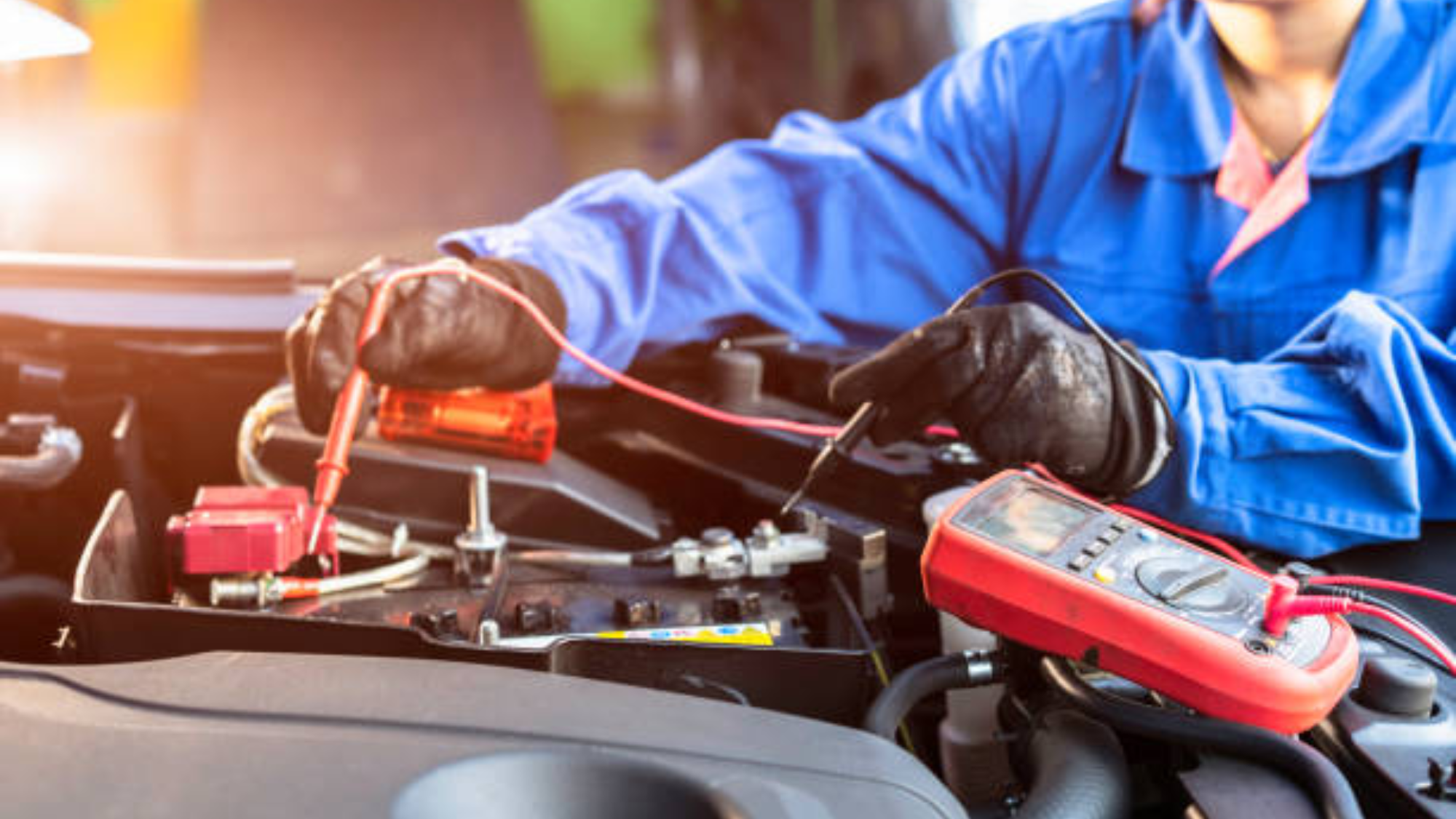
If your engine takes longer to start or cranks sluggishly, it’s one of the signs your car battery is dying. This slow cranking occurs because the battery no longer has enough power to provide the necessary energy to start the engine efficiently. In colder weather, this issue can become even more pronounced, as low temperatures reduce the battery’s ability to hold a charge. A weak battery doesn’t just affect the starting process—it can also impact the overall performance of your vehicle’s electrical systems. You may notice dim headlights, flickering dashboard lights, or slow power window operation, all of which suggest the battery is struggling to supply sufficient energy.
Physical Signs of a Failing Car Battery
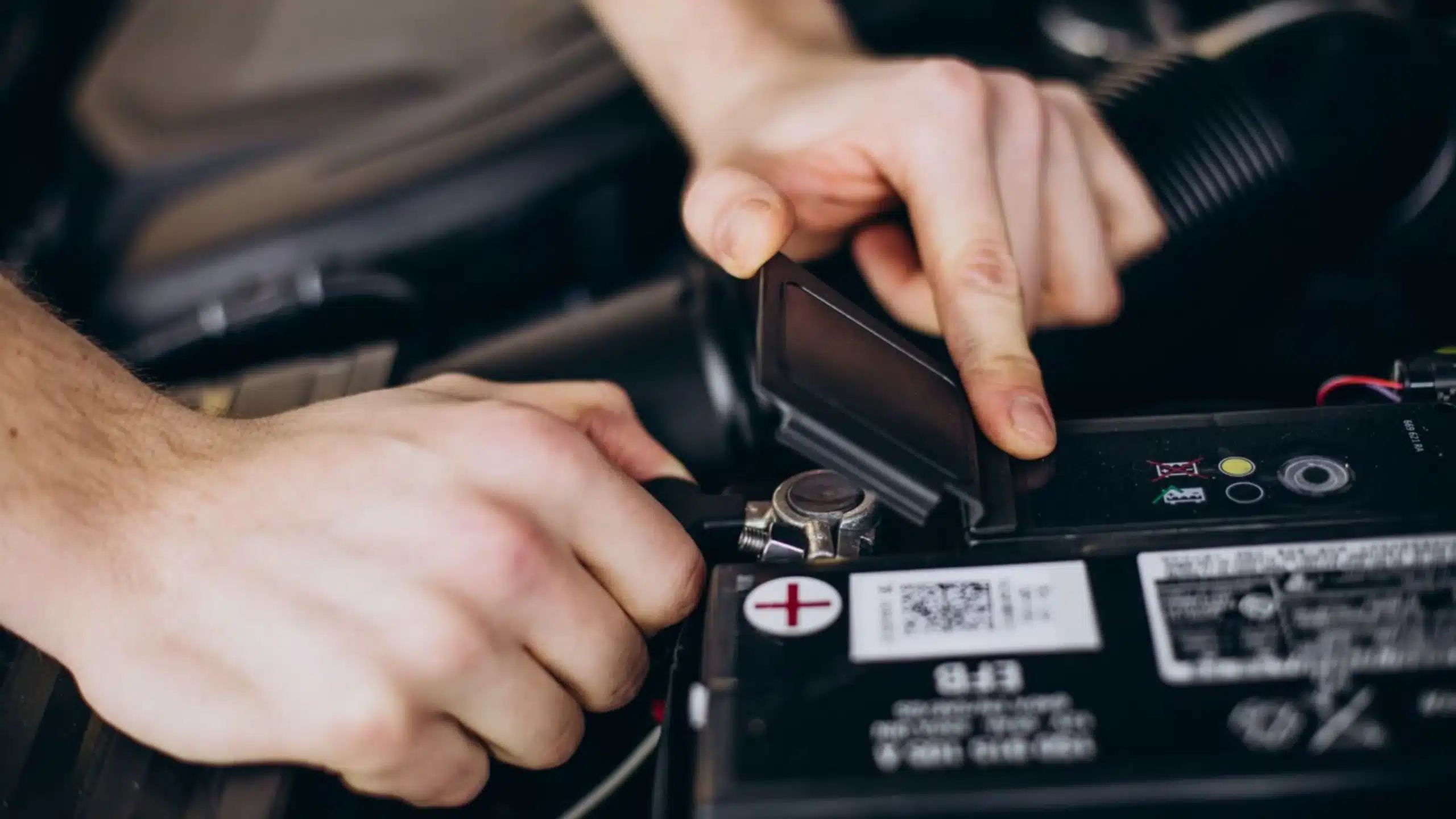
In addition to performance issues, there are several physical signs that indicate your car battery may be dying. One such sign is a swollen battery case, which can occur due to exposure to extreme temperatures. Excessive heat causes the battery’s internal fluids to evaporate, leading to swelling and potential internal damage. On the other hand, extreme cold can make the battery’s chemical reactions sluggish, reducing its overall effectiveness and efficiency. Another critical factor to consider is the age of the battery. Most car batteries have a lifespan of three to five years, though this can vary depending on driving habits, environmental conditions, and regular maintenance. Regularly inspecting the battery for these signs can help you avoid unexpected failures and costly repairs.
How to Prevent Car Battery Failure
Regular battery maintenance is essential for longevity and performance. Inspect the battery regularly for corrosion and clean the terminals using a baking soda and water mixture. Avoid frequent short trips, as they don’t allow the battery to recharge fully—combining errands or taking longer drives can help maintain its charge. When the engine is off, turn off electronics such as lights, AC, or the radio to prevent unnecessary battery drain. Ensure the battery is securely fastened, as a loose battery can vibrate and cause internal damage. Routine testing during service visits is also crucial, with many shops offering free battery checks. Lastly, protect your battery from extreme temperatures by parking in a garage or shaded area to minimize exposure to heat or cold, which can shorten its lifespan.
Signs Your Car Battery Is Dying, but by recognizing the early warning signs and taking preventive measures, you can extend its lifespan and avoid unexpected issues. Regular maintenance, such as checking battery health, cleaning terminals, and ensuring proper fluid levels, is essential to keep your battery in top condition. Mindful driving habits, like avoiding short trips and turning off electronics when not in use, can also reduce strain on your battery. Timely replacements are crucial for preventing sudden failures. Don’t wait for a breakdown to happen; take proactive action today to ensure your car battery and vehicle run smoothly and reliably for years to come.
REFERENCES
AAA Automotive. (n.d.). Car battery maintenance tips. Retrieved from https://www.aaa.com
Consumer Reports. (2023). How to extend your car battery’s life. Retrieved from https://www.consumerreports.org
Car and Driver. (2023). Signs of a failing car battery. Retrieved from https://www.caranddriver.com