
How to Spot a Failing Wheel Bearing
Author: Brent Axel Francisco
How to spot a failing wheel bearing is essential knowledge for every car owner. Wheel bearings support smooth wheel rotation and help maintain vehicle stability. However, when they begin to fail, they can compromise your car’s handling, safety, and performance. Ignoring the warning signs of a failing wheel bearing can lead to costly repairs and even dangerous driving conditions. In this guide, we’ll walk you through how to spot a failing wheel bearing, the common causes of failure, and preventive maintenance tips to keep your vehicle in top condition.
What is a Wheel Bearing?
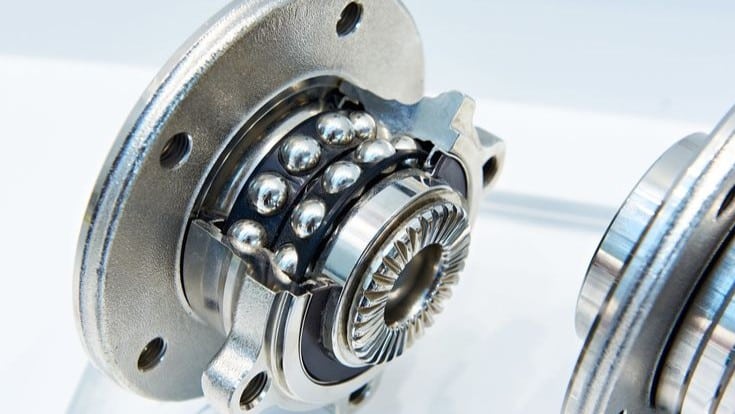
A wheel bearing is a set of steel balls or rollers enclosed in a metal ring, which enables the wheel to rotate with minimal friction. Located inside the wheel hub, this component plays a vital role in maintaining the vehicle’s stability and handling. Wheel bearings are designed to last for thousands of miles, but wear and tear from harsh driving conditions, moisture exposure, and lack of maintenance can accelerate their deterioration.
Warning Signs of a Failing Wheel Bearing
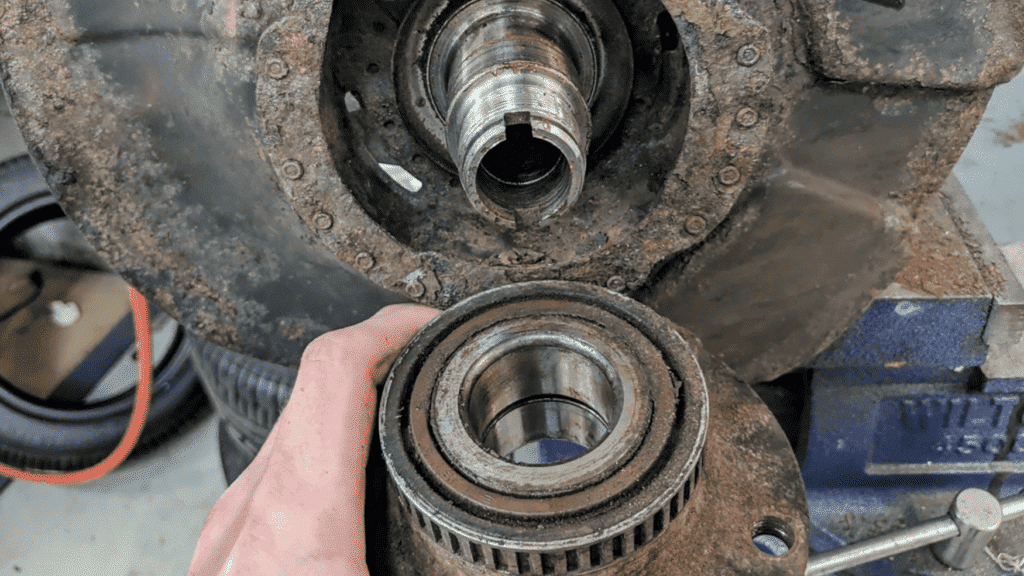
Recognizing the symptoms of a failing wheel bearing early can save you from unexpected breakdowns and expensive repairs. One of the most common indicators is a loud humming, roaring, or grinding noise that increases with speed. This noise usually originates from one side of the vehicle. Uneven tire wear is another red flag; if you notice excessive or uneven wear despite proper alignment, a damaged wheel bearing could be the cause, as it leads to improper wheel movement.
A bad wheel bearing can also cause steering wheel vibrations, which may become more noticeable at higher speeds or when taking turns. Additionally, if your wheel feels loose when you shake it or if there’s excessive play in the wheel assembly, it could be a sign of a worn-out wheel bearing. Since the anti-lock braking system (ABS) relies on wheel speed sensors, a damaged bearing can also trigger ABS warning lights on your dashboard.
Causes of Wheel Bearing Failure
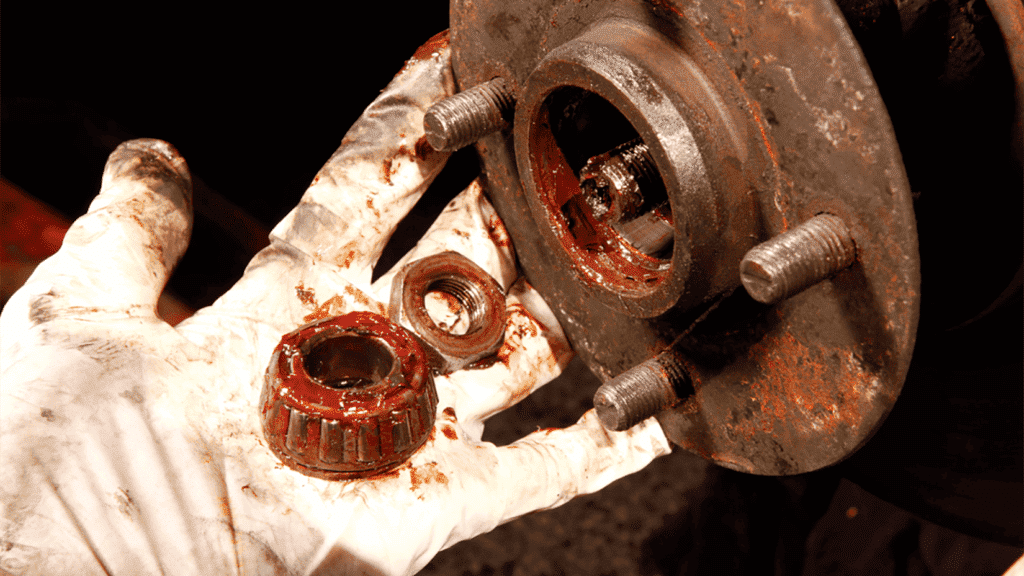
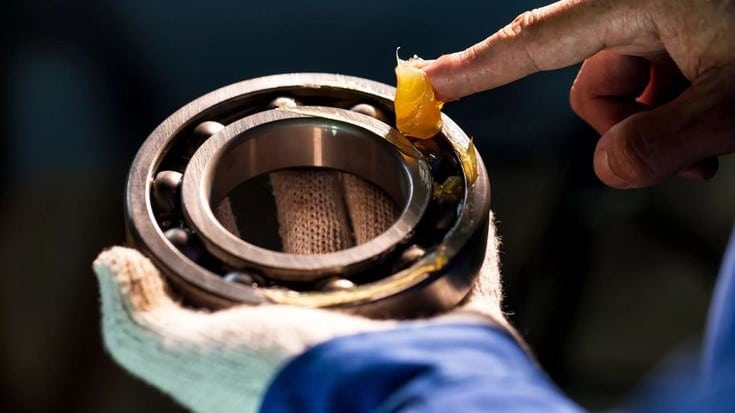
Several factors contribute to premature wheel bearing failure. Moisture and contaminants, such as water, dirt, and debris, can penetrate the bearing seal, leading to corrosion and damage over time. Improper installation, including incorrectly torqued or misaligned wheel bearings, can also cause premature wear and failure. Excessive load or impact from driving over potholes, curbs, or rough terrain puts additional strain on the bearings. Lastly, a lack of lubrication can cause some bearings to overheat and degrade, as they require periodic lubrication to function properly.
Preventive Maintenance & Replacement Tips
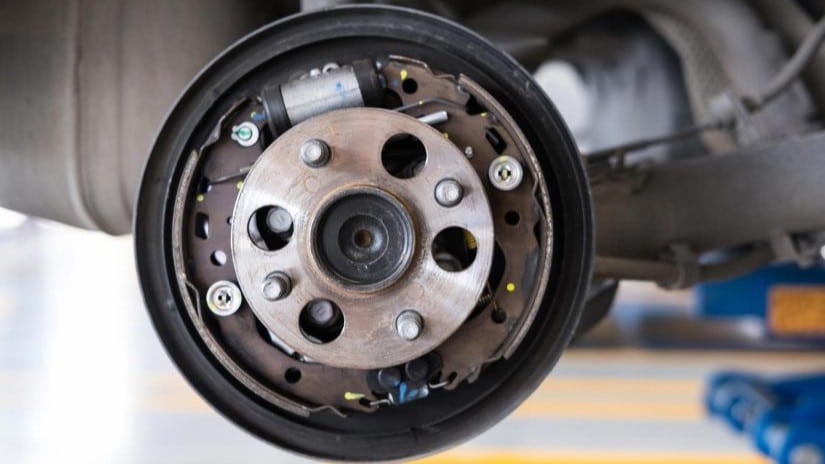
To extend the lifespan of your wheel bearings, it’s important to schedule regular inspections and have them checked during routine maintenance to detect early signs of wear. Avoiding rough terrain and driving carefully over potholes and uneven roads can minimize impact damage. When replacement is necessary, investing in high-quality OEM or aftermarket bearings ensures longevity. Additionally, if you hear any unusual noises, such as humming or grinding, get your vehicle inspected immediately.
A failing wheel bearing can compromise your vehicle’s safety and performance, but early detection can save you from costly repairs. By paying attention to unusual noises, vibrations, and irregular tire wear, you can prevent bigger mechanical issues. If you suspect a problem, consult a trusted mechanic and replace the wheel bearing if necessary. For high-quality auto parts, including durable wheel bearings, visit ULTRA MRF Tires & Mags today!
REFERENCES
Baxter, J. (2021). Wheel Bearings: What They Do, How They Fail, and Why They Matter. SAE International.
Chen, R., & Zhang, L. (2019). Common Causes of Wheel Bearing Failures and How to Prevent Them. Journal of Mechanical Engineering, 42(3), 128-145.
National Highway Traffic Safety Administration. (2022). Diagnosing Wheel Bearing Issues: Sound, Vibration, and Wear. Retrieved from https://www.nhtsa.gov
Singh, A. (2020). Effects of Worn Wheel Bearings on Vehicle Stability and Handling. Automotive Safety Research Institute.
Tanaka, M. (2023). Predictive Maintenance of Wheel Bearings Using Vibration Analysis. International Journal of Automotive Technology, 48(5), 311-325.